Heritage

The Art of Confusion

From naval warfare to modern athletic wear—the legacy of Razzle Dazzle

A Historical Disruption

In 1917, as World War I raged across the Atlantic, British naval artist Norman Wilkinson faced an impossible problem: how to protect merchant ships from German U-boats in open water. Traditional camouflage was useless—ships were too large to hide.

Instead of trying to conceal them, Wilkinson proposed the opposite: make them so visually confusing that enemy submarines couldn't calculate their speed, distance, or heading accurately enough to aim their torpedoes.

He called it "Dazzle Painting"—and it worked.

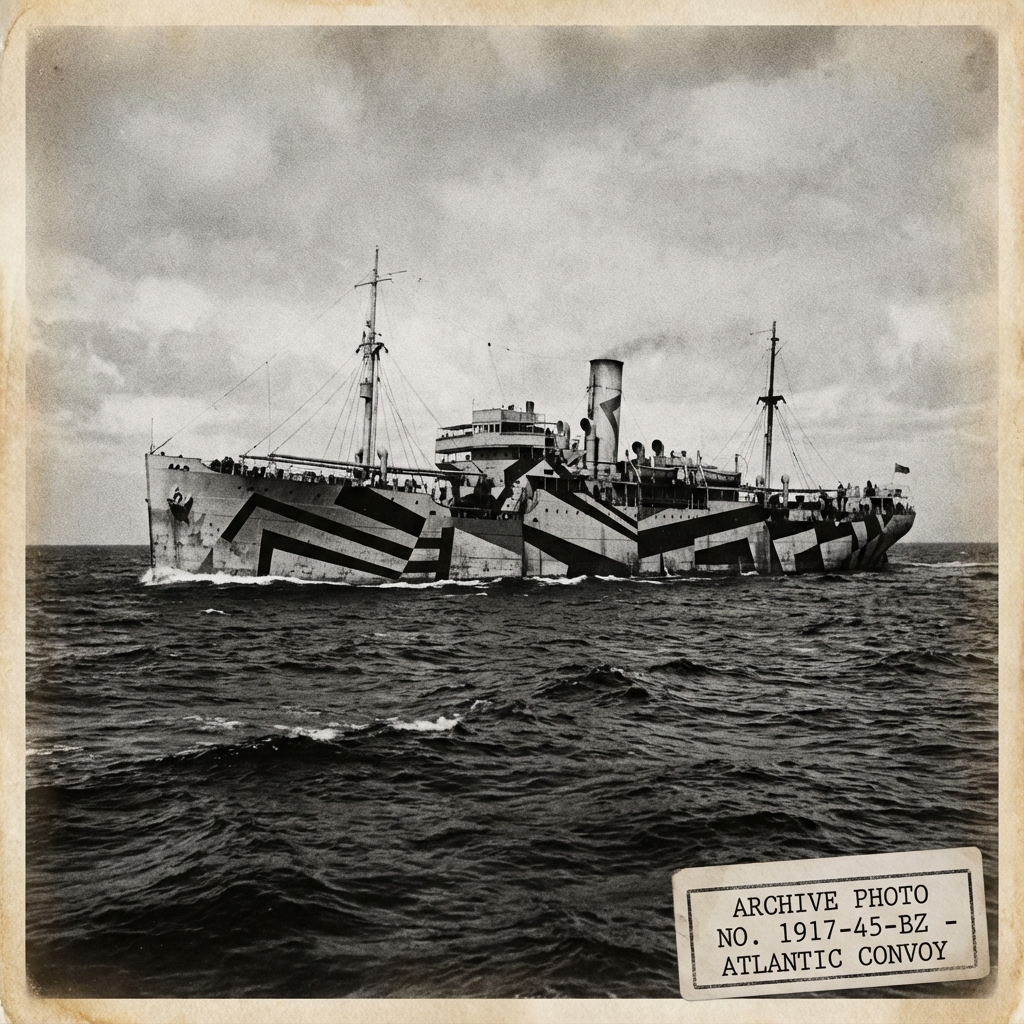
USS West Mahomet, 1918

The Science Behind the Chaos

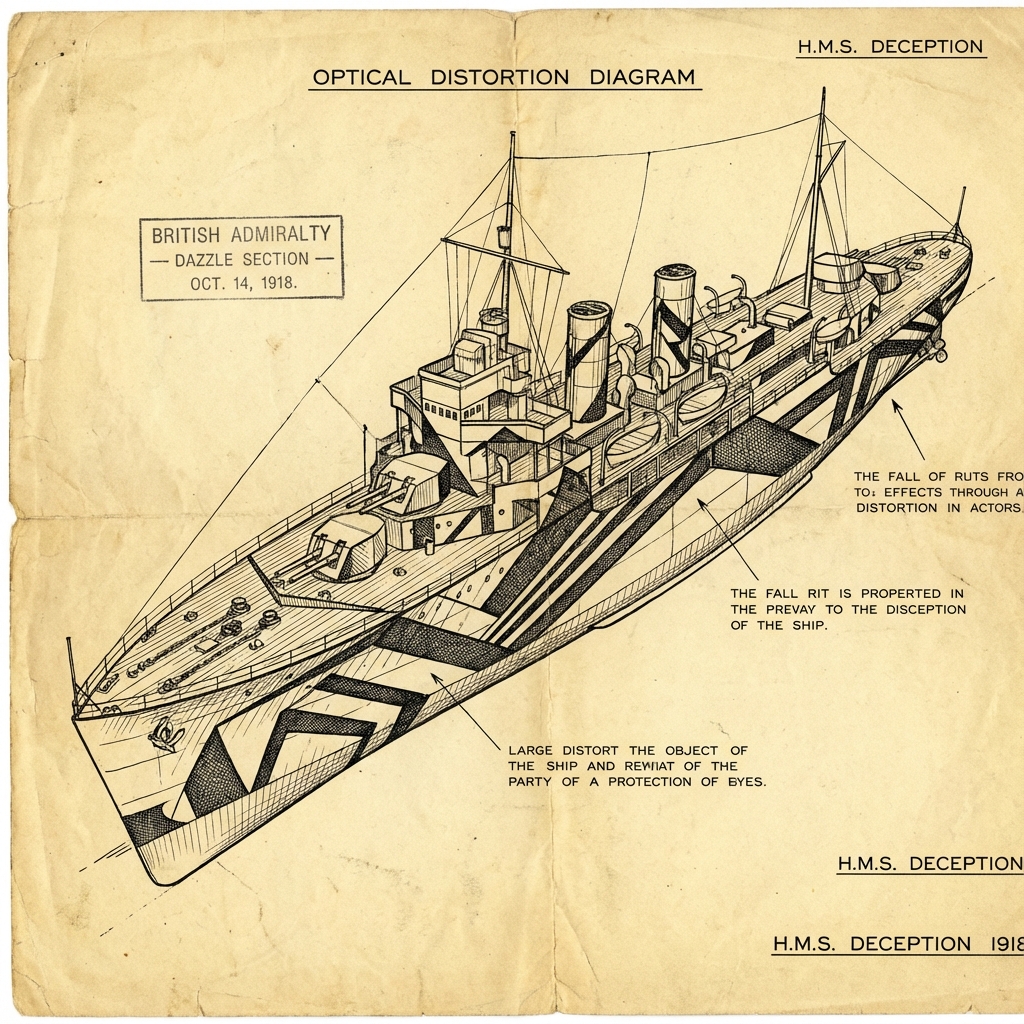
Dazzle patterns used bold, high-contrast geometric designs—typically black and white zigzags, curves, and stripes—that broke up the ship's silhouette. The patterns were intentionally asymmetrical, making it difficult for an observer to determine:

  • Which direction the ship was moving
  • How fast it was traveling
  • Where its bow and stern were located
  • The ship's exact size and distance

Modern research has confirmed that dazzle patterns significantly disrupted target acquisition and range estimation. The confusion wasn't about hiding—it was about creating visual uncertainty.

Reclaimed for the Modern Athlete

After the war, dazzle painting faded into history—a curious footnote in military design. But its principles remained powerful: disruption, not concealment. Movement, not stasis.

Today, Moirée reclaims this lost art for a new purpose. Our algorithmic generator creates unique dazzle patterns that honor Wilkinson's original vision while embracing modern computational design. Each pattern is one-of-a-kind, generated through Voronoi tessellation and geometric algorithms that echo the hand-painted chaos of 1917.

In a world of blending in, choose to disrupt.

A Legacy of Disruption

Over 2,000 ships were painted with dazzle patterns during World War I. While the exact effectiveness is debated, the psychological impact was undeniable: U-boat captains reported extreme difficulty in targeting dazzle-painted ships.

The patterns became symbols of defiance—visible, bold, and unapologetic. They didn't hide from the threat; they met it head-on with visual chaos.

Moirée carries forward this philosophy: when the world expects conformity, we create confusion. When others fade into the background, we stand out with algorithmic precision and geometric beauty.

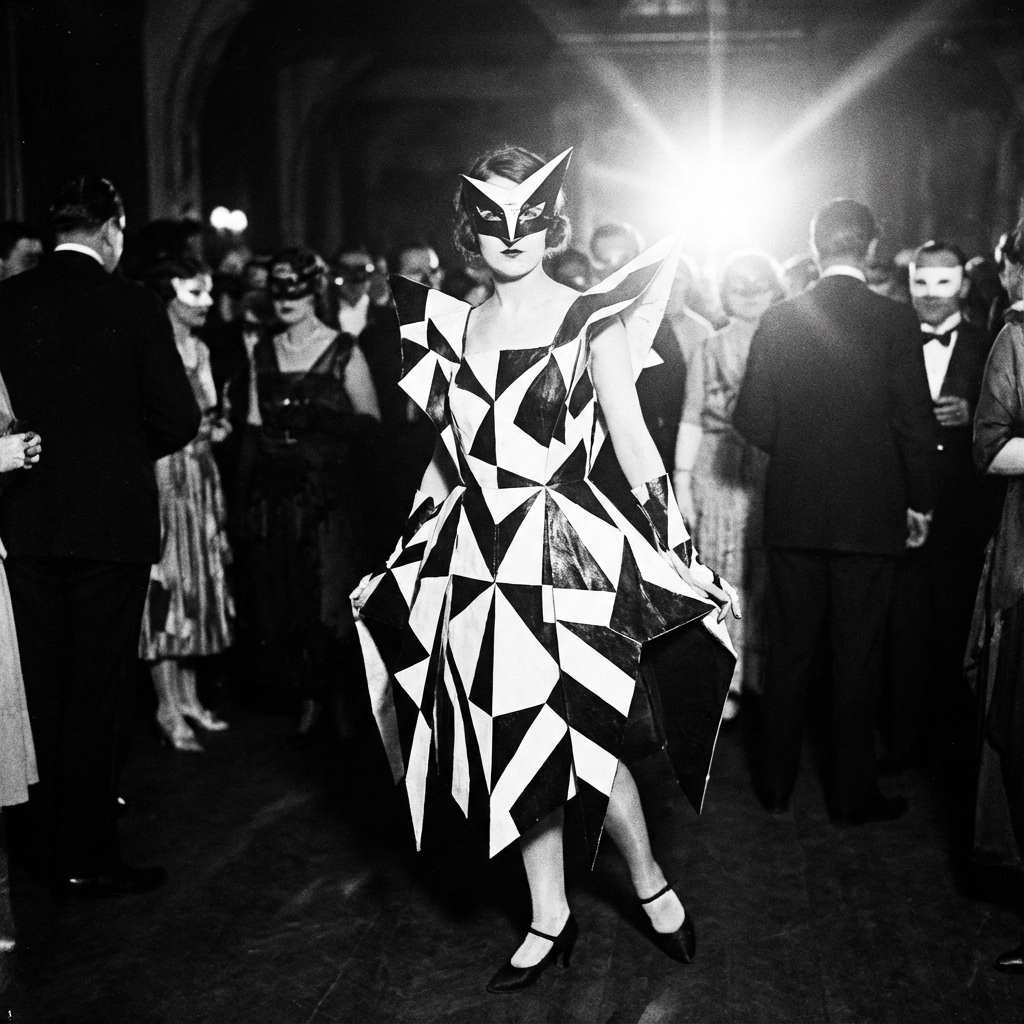
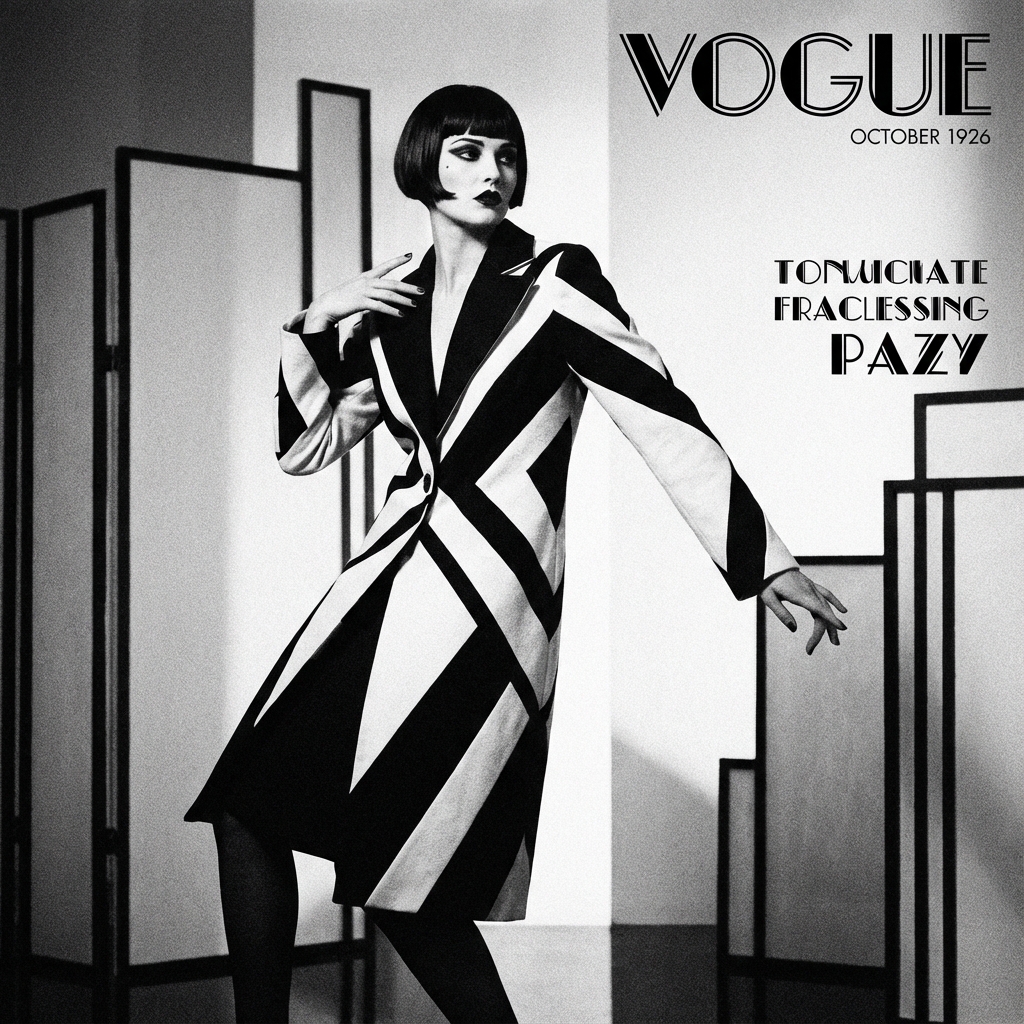
From Battlefields to the Summer/Fall 1920 Runway

Part I — Military History

Naval convoys became moving illusions. Hard-edged stripes, brass fixtures, and rank markings turned hulls into shifting puzzles that misled U-boat periscopes and bought precious seconds on open water.

Part II — Art Takes the Helm

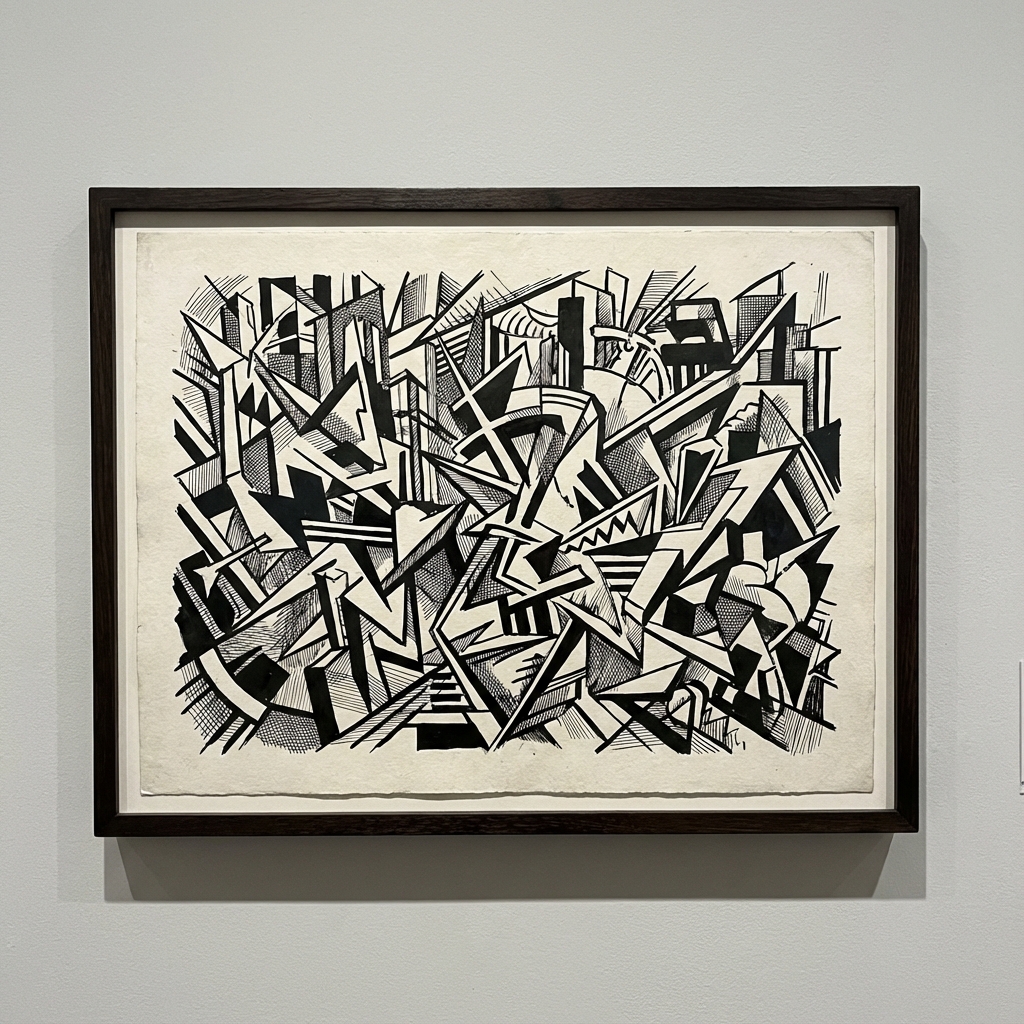
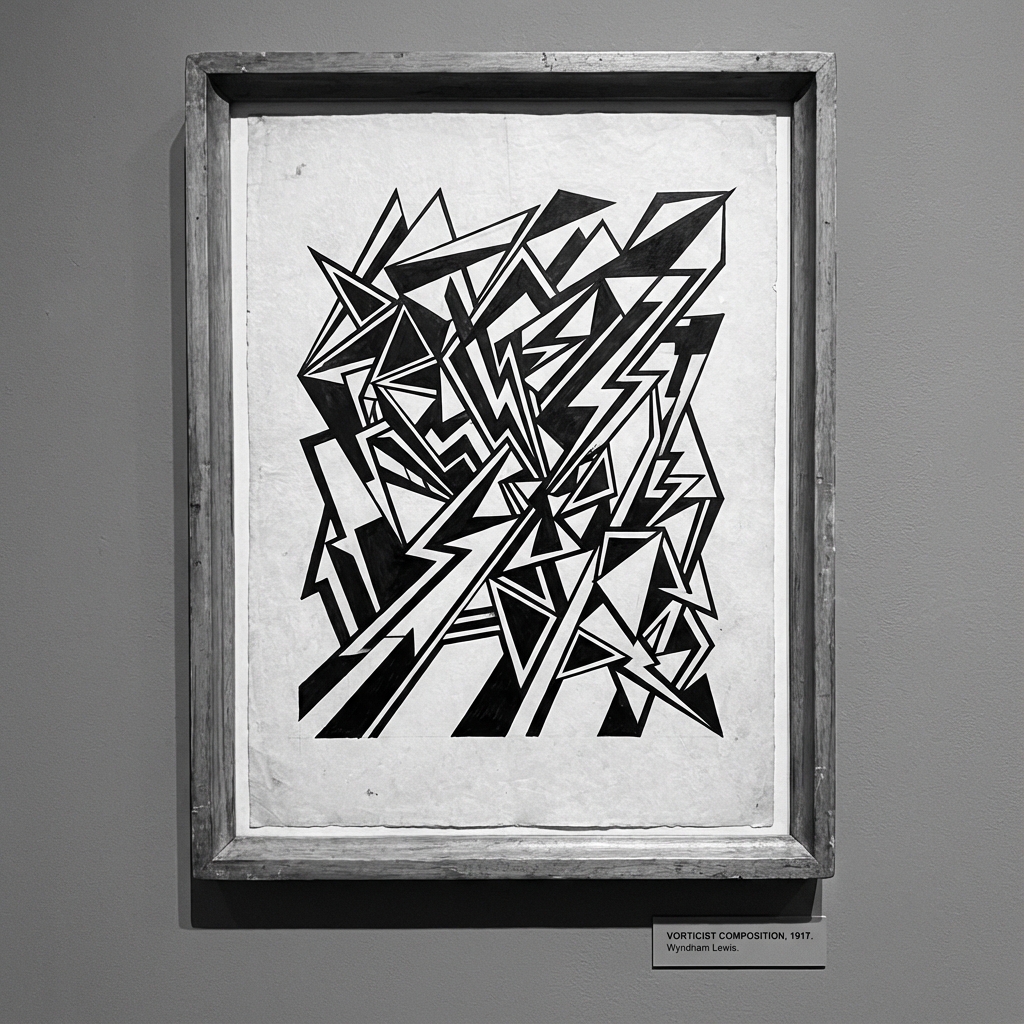
Avant-garde artists seized the chaos—translating tactical striping into bold palettes, fractured silhouettes, and emblematic insignia. Canvas became a proving ground for rhythm, tension, and motion.

Part III — Fashion, Summer/Fall 1920

Designers re-cut the motif into sharp tailoring, epaulet-inspired seams, brass hardware, and regimented color blocking. Utility was refined into elegance—stripes marched from ship decks to city streets.

Explore the lineage that keeps moving.

Explore the collection and step into a legacy—discover the pieces now.

We value your privacy

We use essential cookies to keep the store running. Analytics and other non-essential cookies are disabled unless you choose to enable them. You can change your choice at any time in our privacy policy.

Read our Privacy Policy